 01
A first-visit stop
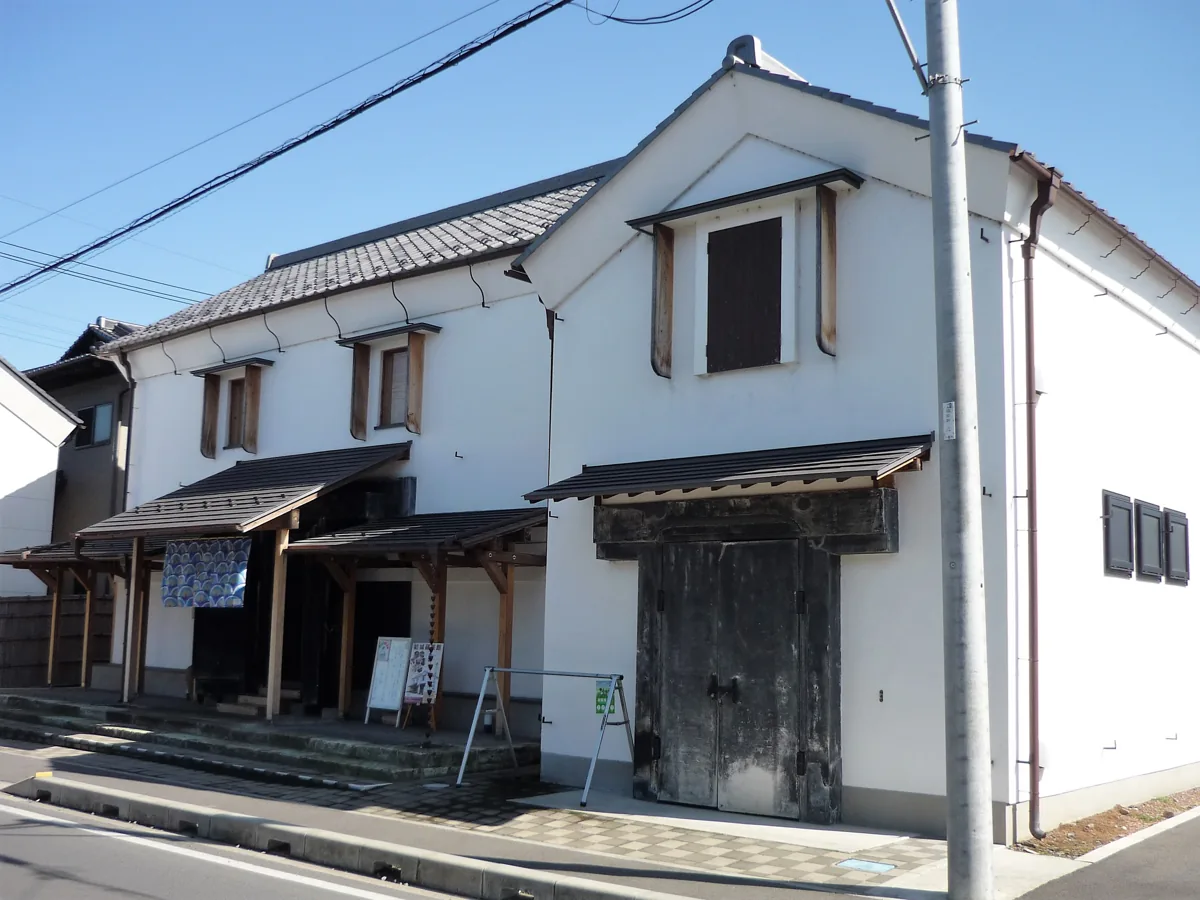
Yuki Kurabikan
結城蔵美館
Two storehouses present local history, art and culture. Check current exhibitions and photography rules before visiting.
Getting there
Check the current approach and return transport on the map.
Japan · Ibaraki
A little travel guide with Tabi
Start slowly, with one place.
Find a view and a small meal.
結城市
Explore storehouse architecture and Yuki tsumugi textile culture. Choose exhibitions and activities according to the day’s visitor information.
This guide covers places within Yuki, rather than places immediately beside your app check-in.
01 · EXPLORE

Two different places: start with whichever interests you.
01A first-visit stop
結城蔵美館
Two storehouses present local history, art and culture. Check current exhibitions and photography rules before visiting.
Getting there
Check the current approach and return transport on the map.
A first-visit stop
つむぎの館
Discover Yuki tsumugi displays and related products. Ask the operator about dyeing or weaving activities and booking requirements.
Getting there
Check the current approach and return transport on the map.
02 · A LITTLE BITE
Yude manju, a boiled sweet bun, is a Yuki speciality. Check each shop’s flavours, availability and ingredients.
Official guide03 · YOUR FIRST WALK
Try the first destination’s permitted entrance → public areas. Choose the other stop after checking separate transport and access.
Check the walking routeCheck actual distances and travel times on the map. This suggested walk is separate from your app movement record.

Information checked:
Resized, metadata removed and converted to WebP; display crops vary by screen. Adapted CC BY-SA photos retain the original license.
Photos are historical material dated in the credits, not a guarantee of present scenery or operation. Places without photos use decorative name panels.
