Start slowly, with one place. Find a view and a small meal.
桐生市
Easy walkLocal sceneryA small meal
Hi, I’m Tabi!
Kiryu’s streets and buildings tell the story of textile production. Begin around Tenmangu and Shinmachi, remembering that historic properties are also present-day homes and workplaces.
This guide covers places within Kiryu, rather than places immediately beside your app check-in.
01 · EXPLORE
Three places to begin
Three places with different atmospheres. Start with the one that appeals to you instead of visiting them all.
01
A first-visit stop
Kiryu Tenmangu
桐生天満宮
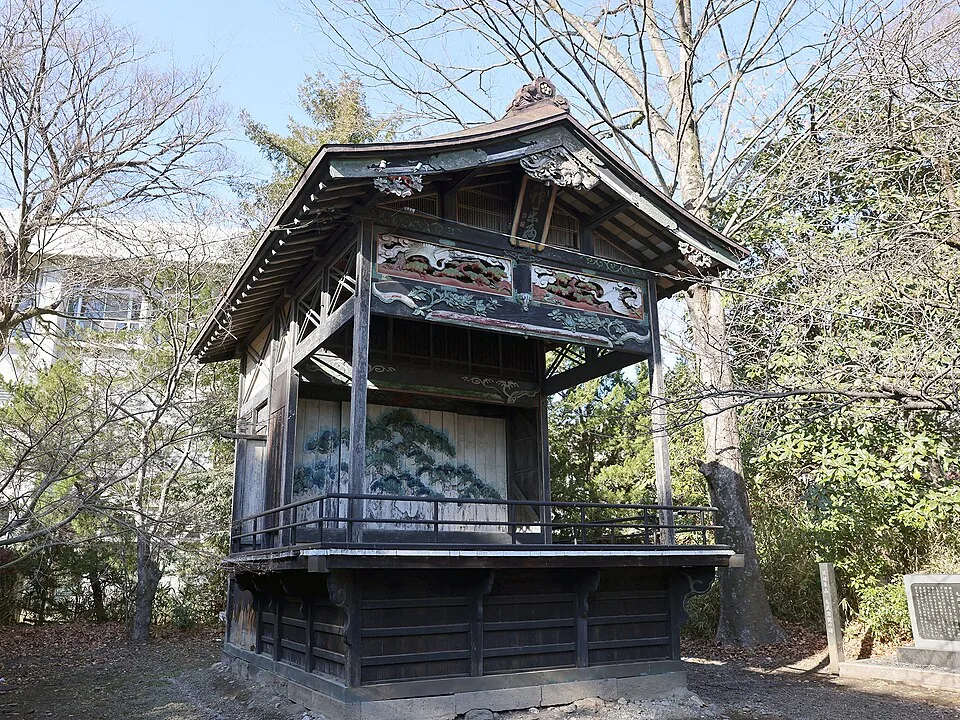
A shrine connected with Kiryu Shinmachi’s history. Read official interpretation of its carved and decorated main halls. The photograph shows the kagura pavilion, not the main sanctuary. Respect worshippers and photography guidance.
Getting there Check transport to the shrine in Tenjincho
Townhouses, storehouses and sawtooth-roof factory buildings preserve the textile industry’s history around Honcho 1 and 2. People still live here: stay out of private properties and ask permission before photographing.
Getting there Use the city’s preservation district map and access guide
An exchange facility in the former Mashio textile-business residence. Learn how shops, factories, living spaces and storehouses formed one property. Check opening dates, event-related changes and indoor food rules.
Getting there Check the public entrance in Honcho 1-chome
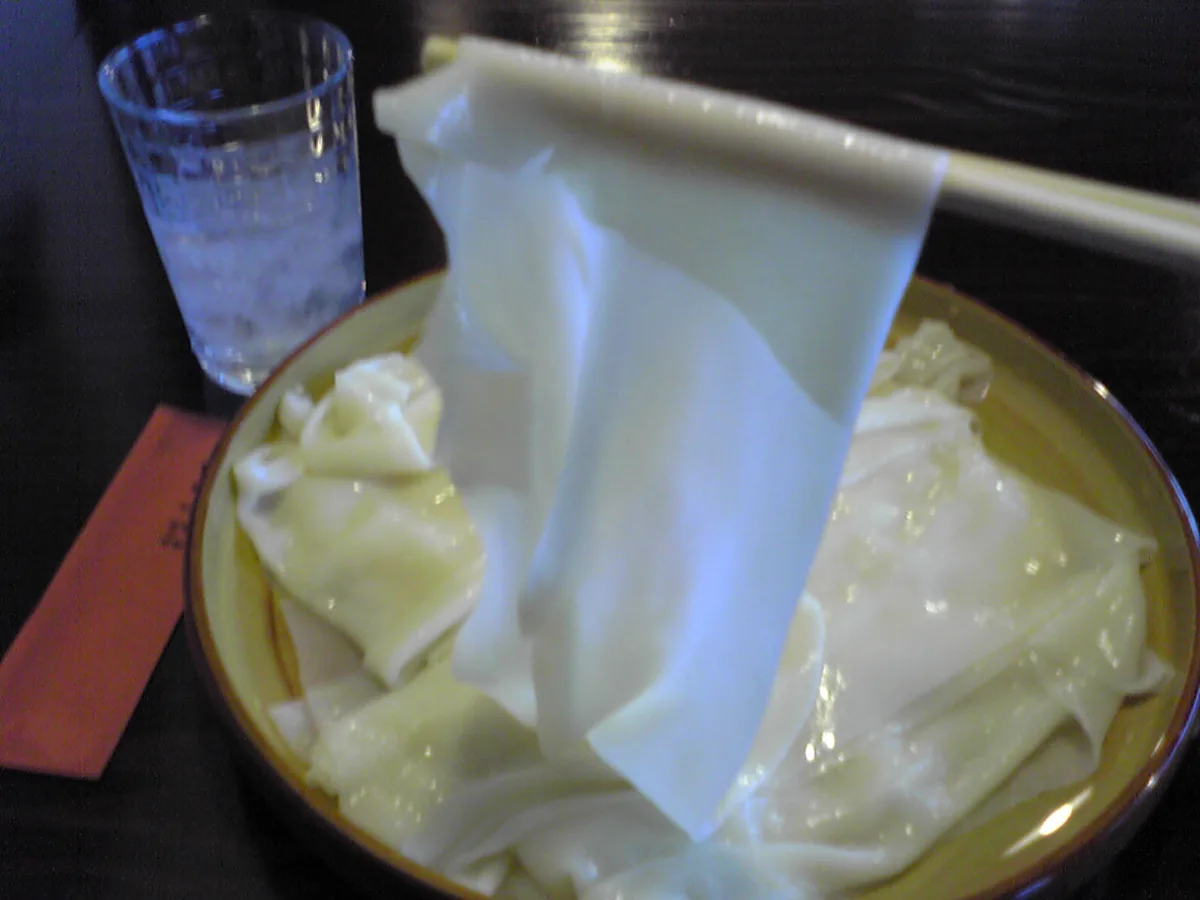
An example photographed at Furukawa Kuremutsu in 2008; not a shop endorsement or guarantee of present menus or prices.
Himokawa is a wide udon noodle associated with Kiryu. Width and serving styles differ by shop. The image is a dish example photographed at Furukawa Kuremutsu in 2008. Check wheat and broth ingredients for allergens.
Try Machinaka Exchange Hall → surrounding Shinmachi streets → the Tenmangu area. Check local guidance at the public facility. The route does not include interiors of private buildings.
Resized, metadata removed and converted to WebP; display crops vary by screen. Adapted CC BY-SA photos retain the original license.
Photos are historical material dated in the credits, not a guarantee of present scenery or operation. Places without photos use decorative name panels.


 01
01