A stamp from Osaka. A little piece of Tokyo.
Your coffee’s getting cold. You meant to check yesterday’s steps. Instead, you’re turning back to Osaka in a stamp book, or tapping a green patch of Tokyo to see what’s there.
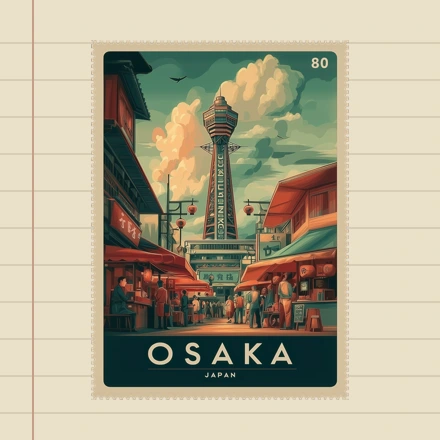 OsakaPostmarks · Passport
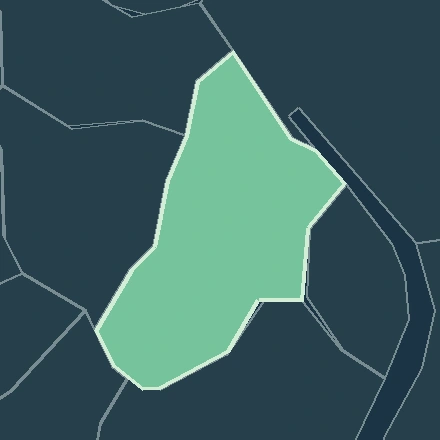
If you’re choosing a virtual walking app for Japan, think about what you’d like to open tomorrow. Postmarks gives you a dated collection of places along a set route. TabiWalk lets you return to a district you checked into and read about what’s there. Both have something to read when you arrive.
Saturday, somewhere between Kyoto and Osaka
Suppose your Postmarks marker is just shy of Osaka on Heart of Honshu. You go out for groceries. If that walk carries you over the remaining distance, the destination stamp is yours. The developer’s arrival screen puts the new Osaka stamp front and center. Even the bits of walking you might have forgotten by dinner now have a souvenir.
Osaka is part of the free Tokyo-to-Fukuoka route: nine cities, nine destination stamps, a Passport and a Journal. You can finish that route without buying a second one. If you missed the city information while admiring the stamp, you haven’t missed your chance to read it.
Sunday morning, open the passport again
Postmarks
Passport → Heart of Honshu → Osaka stamp → city guide
Someone who used Postmarks asked for a little history or literature at each stop. The developer’s reply was almost a travel tip in itself: the city guide was already there, behind the stamp. That’s an easy detail to miss when the thing you just earned looks good enough to be the whole reward. Read their exchange.
What I like about the passport is the date. Months from now, the Osaka page can tell you when you got there, even if the walk that finished the leg was memorable mostly for the eggs you forgot. If you keep train tickets tucked into books, you probably already know which app you’d open.
Sunday morning, tap yesterday’s patch of Tokyo
Imagine you checked into Sumida on Saturday, put the phone away and went on with your day. By Sunday you remember where the green patch was, but the name escapes you. Here’s how to find your way back.
View Region Guide
Your first visit to Sumida Ward
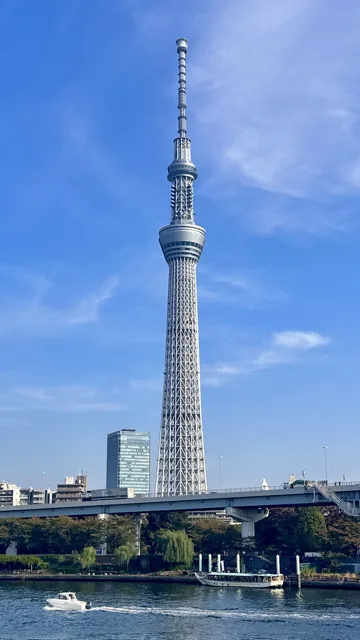
- Tokyo Skytree
- Mukojima-Hyakkaen Gardens
- Sumida Hokusai Museum ↓
On the map, select the ward you checked into. If its details still say Check In, the regular check-in hasn’t been completed there. For this example, the return button reads View Region Guide. The tower catches your eye first. A garden comes next. Then a name you’ve seen somewhere before.
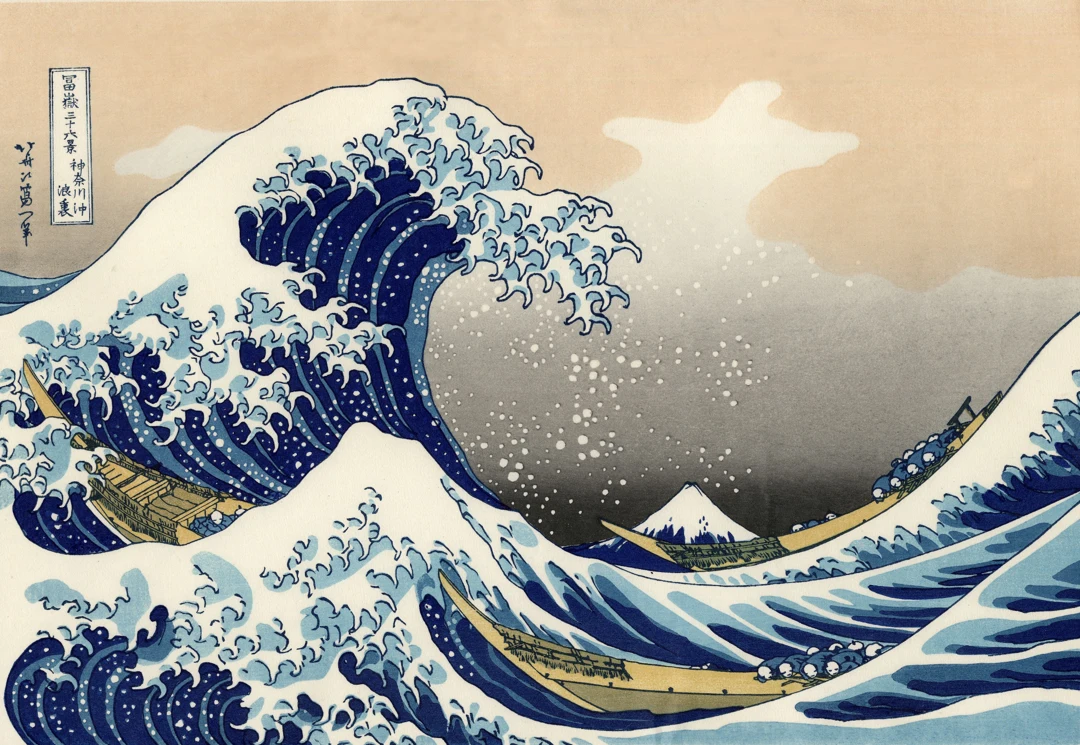
Sumida Hokusai Museum. Wait, that Hokusai?
Yes, the wave. Katsushika Hokusai was born in 1760 in what is now Kamezawa, in Sumida, and spent nearly all his life in the area. You may have known that curl of foam for years before you knew the name of his neighborhood. Now you have a little green shape to go with it.
You can do that bit right now. The English Sumida guide is free to read in a browser, including the three stops and first-visit tips. The museum tells the local story in its own words. If you’re planning an actual Tokyo trip, bookmark those pages. Walking your virtual marker to Sumida is optional.
Which one would you reopen?
Would you turn the page to see Osaka nestled between the other stamps you earned? Start with the free Postmarks route. The official preview shows its Osaka arrival and the passport you’ll keep.
If you’d remember Sumida by the wave, try a different souvenir on your next walk. In TabiWalk, check into a district you reach and pick one place from its guide. When you open your map over coffee tomorrow, see what you remember before you tap. Your first district will depend on where your virtual trip takes you.